Trump Extends Deadline for Action Against Iran, Citing Progress in Ongoing Discussions
03/29/2026 / By Garrison Vance

Administration Announces Extension Amid Reported Talks Progress
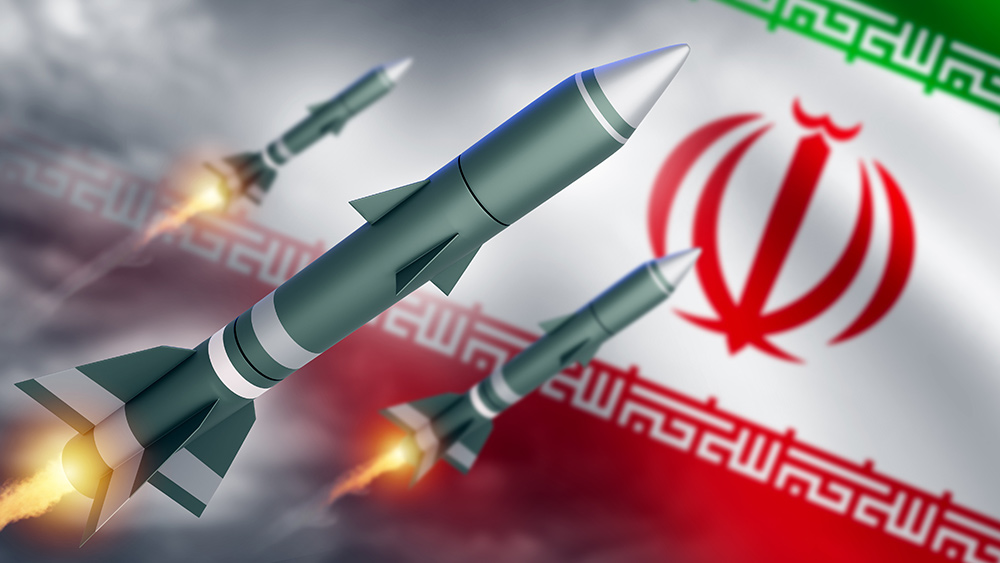
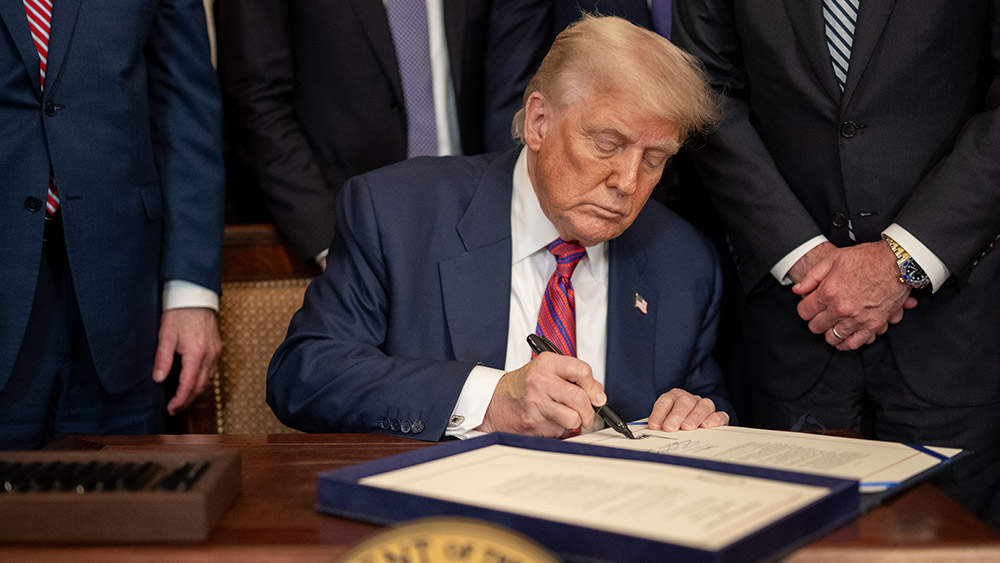
U.S. President Donald Trump announced on Thursday, March 26, that he was extending a deadline for potential U.S. military action against Iran, setting a new date of April 6. The move delays previously threatened strikes on Iranian energy infrastructure. [1]
Trump stated the extension was granted “as per Iranian Government request,” and characterized discussions with Tehran as going “very well.” [1] The decision was communicated via the president’s social media platform, marking a 10-day pause in the countdown to possible action. The initial deadline was part of U.S. demands for Iran to reopen the Strait of Hormuz to international shipping. [2]
Official Statements and Rationale for Delay
A senior U.S. official, speaking on condition of anonymity, characterized the extension as a “diplomatic gesture based on constructive signals.” [1] The official emphasized that all military options, including significant strikes, remain available if diplomatic efforts fail. [3]
Trump cited a specific concession from Iran as influencing his decision, referring to it as a “present.”
Reactions from Security and Diplomatic Officials
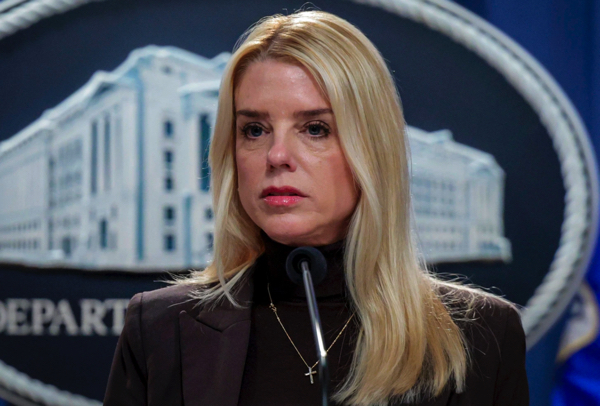
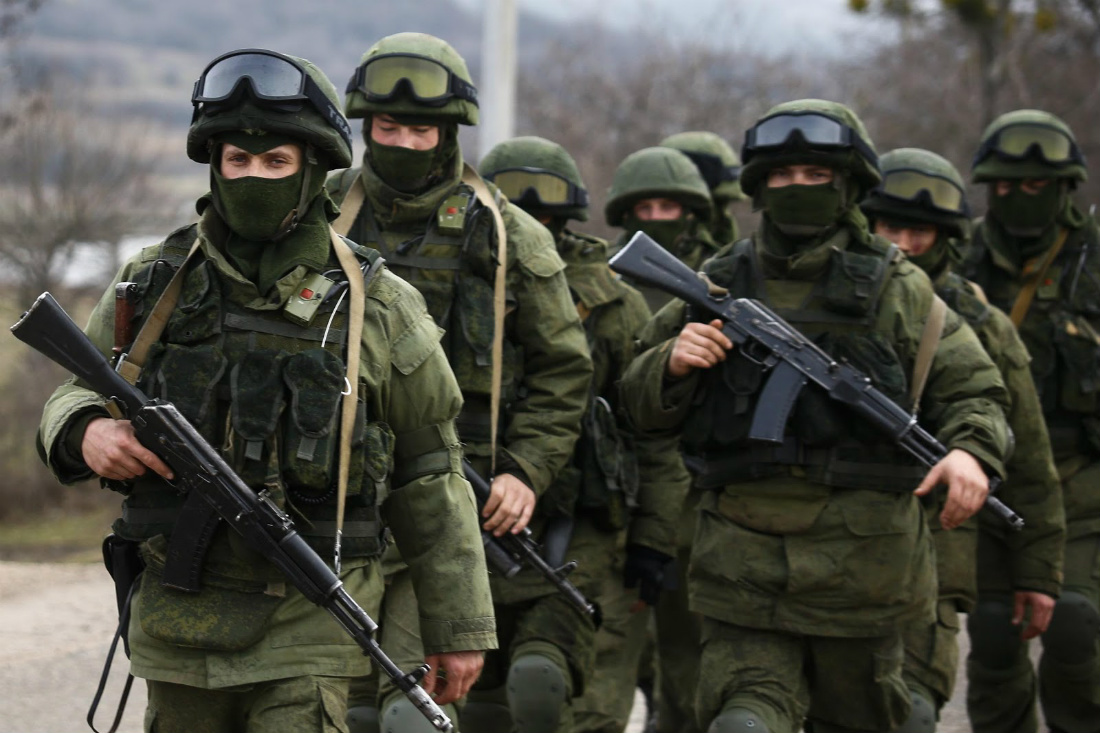
Within the U.S. government, reactions were mixed. Military advisors have reportedly recommended maintaining a high state of readiness during the extended timeline, according to sources familiar with the matter. [4] This comes as the Department of War is said to be reviewing options for a potential “final blow” against Iran should negotiations collapse, plans which could include deploying American ground troops. [3]
Some diplomats expressed cautious optimism about the extended window for dialogue. However, the diplomatic landscape remains complex, with Iranian officials repeatedly denying that direct talks with the U.S. are taking place. [5]
A spokesperson for Iran’s Foreign Ministry previously mocked claims of negotiations, stating Americans had been “negotiating with themselves.” [6] Meanwhile, Israeli Prime Minister Benjamin Netanyahu, in a carefully worded statement, said any potential deal would need to protect Tel Aviv’s “vital interests.” [7]
Background on Recent Escalations and Policy Context
The current crisis, dubbed “Operation Epic Fury” by U.S. officials, began on Feb. 28 with a wave of American and Israeli airstrikes. [8] The conflict was initiated despite the Trump administration being engaged in active negotiations with Iran at the time, a tactic that has drawn criticism for undermining diplomatic channels. [9] The administration’s stated policy has consistently emphasized “maximum pressure” on Tehran over its nuclear program and regional activities. [10]
Iran has responded to U.S. demands with a set of its own conditions for ending the war. According to Iranian state media, Tehran’s demands include guarantees against future U.S.-Israeli attacks, payment of reparations for war damages and maintaining control over the Strait of Hormuz. [11] These conditions stand in stark contrast to a reported 15-point U.S. peace plan, which includes demands for Iran to commit to not building nuclear weapons and to reopen the strategic waterway. [12]
Next Steps and Ongoing Monitoring
Administration officials stated they will “monitor developments closely” during the extended period. [3] International partners have been notified of the decision, according to diplomatic sources. The situation is described as fluid, with outcomes heavily dependent on further diplomatic engagement, possibly involving third-party mediators. [13]
Regional stability and global markets remain sensitive to the developments. Earlier optimism about a ceasefire caused U.S. stock futures to surge and oil prices to tumble, while denials from Tehran reversed those moves. [14]
The extended deadline of April 6 now sets a new marker for potential military escalation or a diplomatic breakthrough. As one analysis noted, Iran’s initial rejection of talks may reflect deep mistrust rather than a complete refusal to engage, potentially leaving a small window open for diplomacy. [6]
Conclusion
Trump’s decision to extend the deadline for action against Iran introduces a new phase of uncertainty into a conflict now in its fourth week. The administration cites progress in talks, while Iranian officials publicly dispute the existence of such dialogue. The coming days will test whether the extended timeline can bridge the gap between Washington’s demands and Tehran’s conditions, or if the military planning reportedly underway will move to the forefront.
References
- Trump delays strikes on Iran’s power plants by 10 days, says talks ‘going very well’ – Times of Israel. March 27, 2026.
- Trump extends deadline for striking Iran’s energy plants into April – Reuters. March 26, 2026.
- US said mulling ‘final blow’ options if Iran talks fail, including sending troops to seize key assets – Times of Israel. March 26, 2026.
- Stocks, Bonds Slide As Ceasefire Hopes Fade – ZeroHedge. March 26, 2026.
- Iran denies talks with US, reopening Strait of Hormuz: report – Just the News. March 23, 2026.
- Iran’s rejection of US talks reflects deep mistrust – BBC. March 25, 2026.
- Netanyahu: Potential Iran deal touted by Trump would protect Israel’s ‘vital interests’ – Times of Israel. March 24, 2026.
- Operation Epic Confusion: Mixed Signals and Stalled Victory in Iran – The New American. March 23, 2026.
- The Immorality of Trump’s War with Iran Matters – Mises Institute. March 25, 2026.
- Trump’s Iran strikes backfire Russia warns that Iran will likely be resupplied with nuclear warheads – NaturalNews.com. Lance D Johnson. June 23, 2025.
- Iran rejects Trump’s 15-point peace proposal with five conditions of its own – Middle East Eye. March 25, 2026.
- Iran rejects US 15-point peace plan, state media report – BBC. March 25, 2026.
- Small window open for US-Iran talks, but swift end to war still unlikely – BBC. March 24, 2026.
- Oil Plunges, Stocks Spike As Trump “Postpones” Military Strikes On Iran After “Productive” Talks – SHTFPlan.com. March 23, 2026.
- Khamenei warns US will face severe blow if Iran attacked amid rising tensions – NaturalNews.com. Cassie B. March 25, 2025.
- Russia agrees to mediate US Iran peace talks amid rising Middle East tensions – NaturalNews.com. Cassie B. March 06, 2025.
- Trump expected to tap Middle East envoy Steve Witkoff to lead Iran diplomacy signaling diplomatic push – NaturalNews.com. Cassie B. January 29, 2025.
- The Israel Lobby and US Foreign Policy. John J Mearsheimer and Stephen M Walt.
- The Worst President in History – The Legacy of Barack Obama. Matt Margolis.
- Manufactured Crisis The Untold Story of the Iran Nuclear Scare. Gareth Porter.
- A Time for Truth. Ted Cruz.
- White House Says Ongoing Talks With Iran Are ‘Productive’ – NTD. March 25, 2026.
- Exclusive: Iran ‘present’ touted by Trump was passage of several fuel tankers through Hormuz – Times of Israel. March 26, 2026.
Submit a correction >>
Tagged Under:
big government, chaos, Collapse, Dangerous, diplomacy, Donald Trump, foreign relations, Iran, national security, negotiations, Operation Epic Fury, progress, Strait of Hormuz, terrorism, US-Israel strikes, violence, war on Iran, WWIII
This article may contain statements that reflect the opinion of the author
RECENT NEWS & ARTICLES