U.S., Israel launch massive pre-dawn strike on Iran in major escalation
03/06/2026 / By Willow Tohi
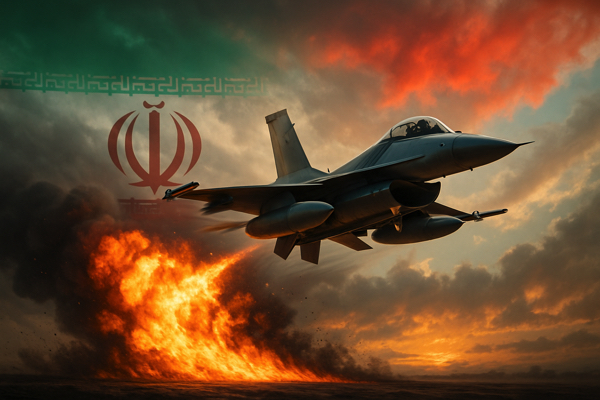
- The U.S. and Israel launched a massive, coordinated military strike against Iran, dubbed Operation Epic Fury, on February 28.
- The operation followed the collapse of diplomatic talks and a presidential authorization, with planning and force positioning beginning weeks prior.
- Initial strikes, involving over 1,000 targets, focused on Iran’s command centers, air defenses and missile infrastructure.
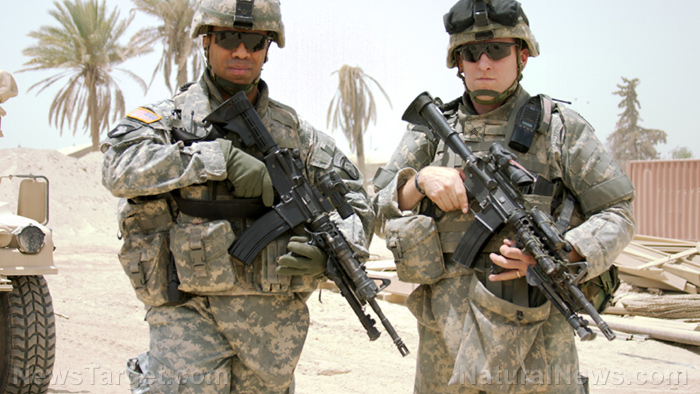
- The campaign features advanced U.S. military assets, including stealth bombers, carrier strike groups and new weapons systems in their combat debut.
- U.S. officials confirm the deployment of additional forces to the region and acknowledge the operation will involve further losses and “gritty work.”
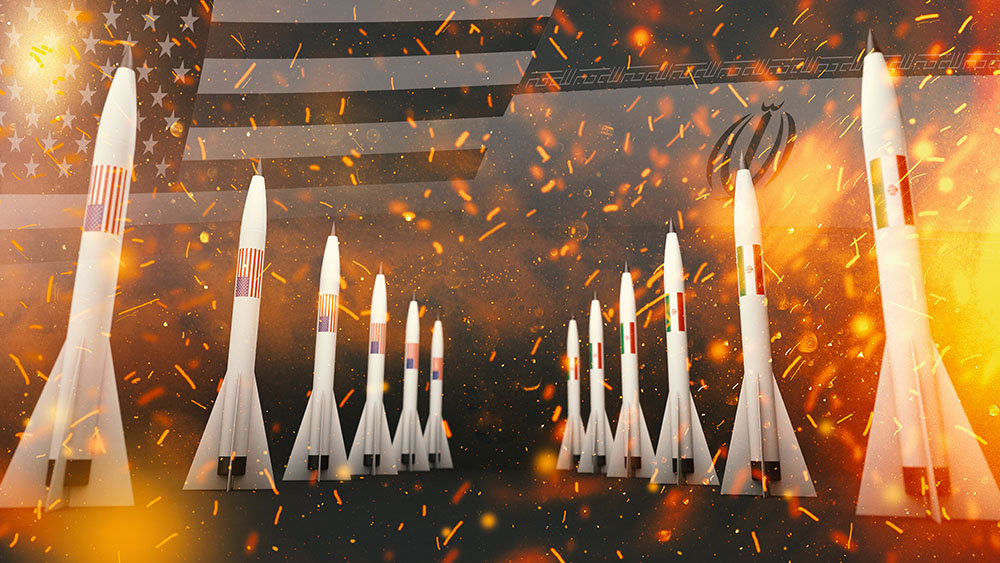
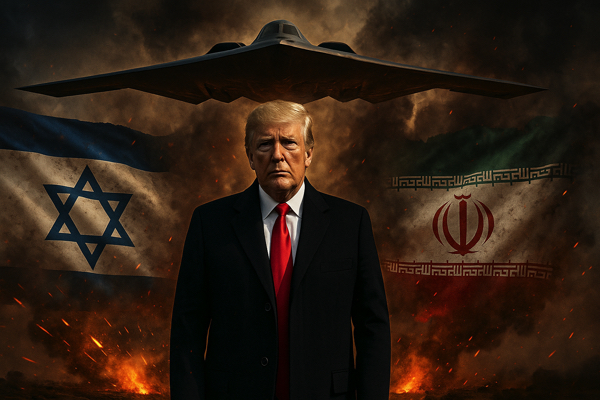
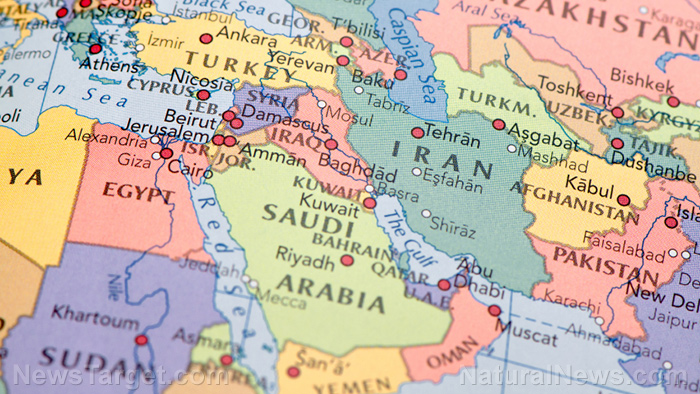
In a rapid escalation of long-simmering tensions, the United States and Israel launched a massive, coordinated military assault on Iran in the pre-dawn hours of February 28. Dubbed Operation Epic Fury by U.S. forces, the strike represents the most significant application of American military power in the Middle East in a generation, targeting the Islamic Republic’s security infrastructure after the collapse of eleventh-hour diplomatic efforts.
From diplomacy to deadlines
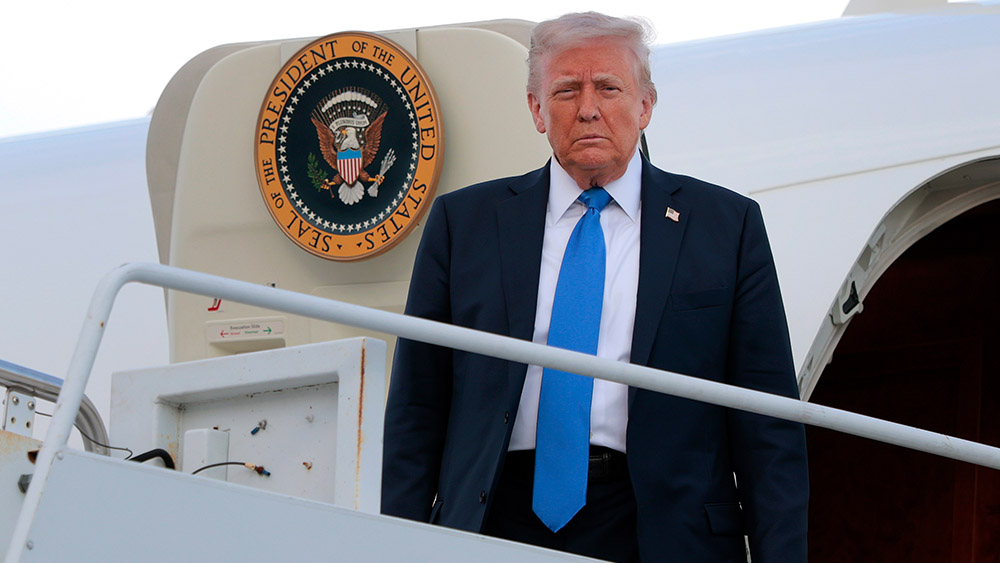
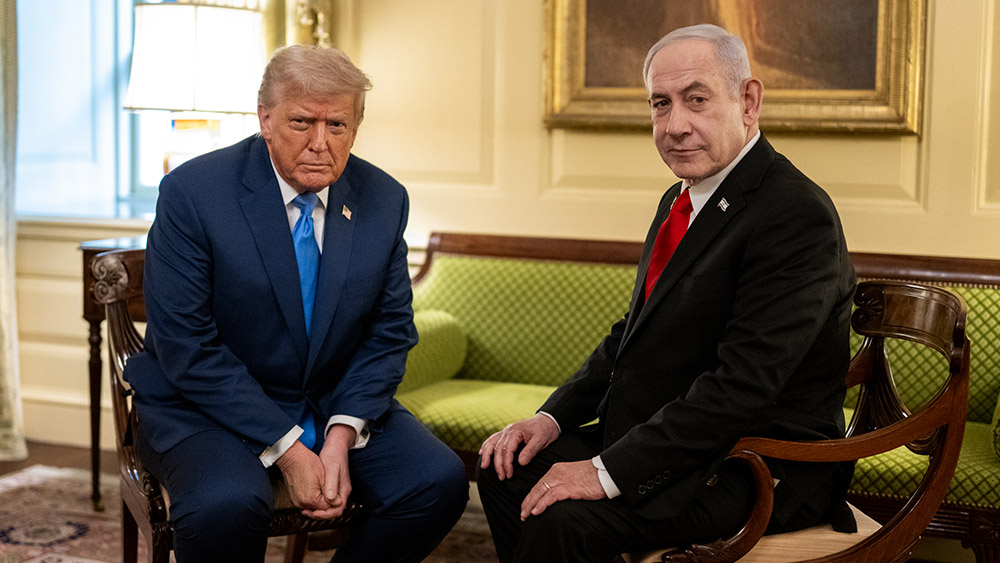
Planning for a large-scale U.S. strike against Iran has existed within the Pentagon for decades. However, the path to execution accelerated in December 2025 after President Donald Trump, following a meeting with Israeli Prime Minister Benjamin Netanyahu, directed military leaders to prepare a decisive option if Tehran refused to halt its uranium enrichment program. Over the following weeks, the U.S. military began “setting the force and setting the theater,” repositioning assets across the region. The final diplomatic off-ramp closed on February 26 when talks in Geneva between U.S. envoys and Iranian officials ended without agreement. President Trump issued the final authorization from Air Force One the next day, with the Pentagon receiving the execute order at 3:38 p.m. Eastern Time.
The opening salvo
In less than ten hours, U.S. Central Command activated a complex operational plan. The opening phase involved cyber and electronic warfare attacks to disrupt Iranian communications and degrade air defense systems. The kinetic assault began with a salvo of Tomahawk cruise missiles launched from U.S. naval vessels in the Arabian Sea and eastern Mediterranean. They were followed by coordinated waves of aircraft, including F-22 Raptors, F-35 Joint Strike Fighters, F/A-18 Hornets and electronic warfare platforms, surging from land bases and the decks of the USS Abraham Lincoln and USS Gerald R. Ford carrier strike groups. U.S. officials reported that the initial 24-hour strike package hit more than 1,000 targets, focusing on command and control nodes, naval forces, ballistic missile sites and intelligence infrastructure.
New tools for an old adversary
Operation Epic Fury marked the combat debut of several U.S. weapon systems, underscoring the evolution of modern warfare. The Army employed its M142 High Mobility Artillery Rocket System (HIMARS) in a new short-range ballistic missile role for the first time. The campaign also introduced a low-cost, one-way attack drone, known as LUCAS and modeled on Iran’s own Shahed-136 loitering munitions. In a testament to the operation’s reach, B-2 Spirit stealth bombers flew a 17-hour mission from Whiteman Air Force Base in Missouri to deliver precision-guided munitions on Iranian ballistic missile facilities.
Regional repercussions and the road ahead
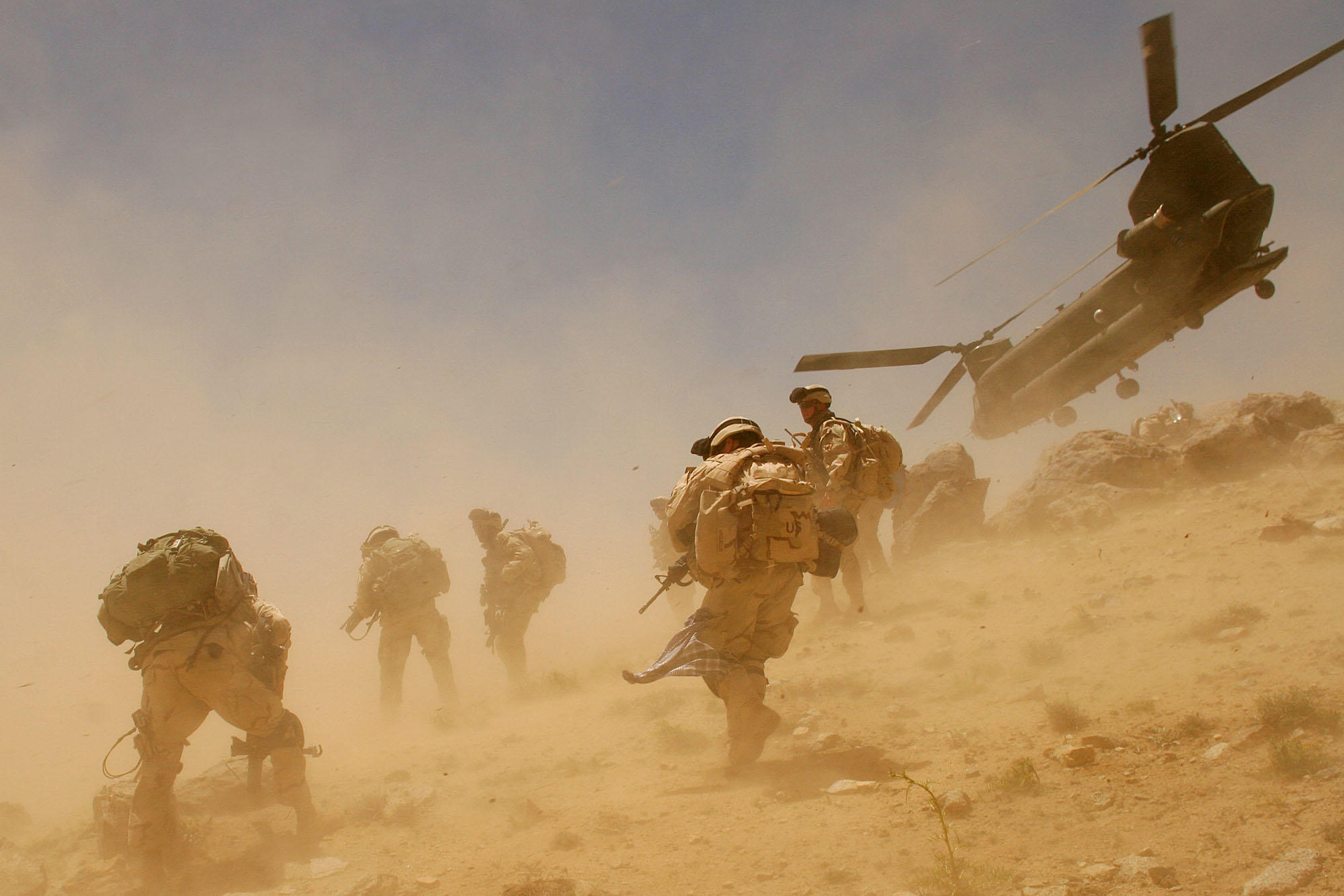
The Iranian response has been swift, with salvos of drones and ballistic missiles targeting Israel and regional countries hosting U.S. forces. U.S. officials confirmed four American military personnel have been killed, with others injured. In a tragic friendly-fire incident, Kuwaiti air defenses shot down three U.S. F-15E Strike Eagles; all crew members ejected safely. Chairman of the Joint Chiefs of Staff Gen. Dan Caine stated that while no U.S. ground troops are currently in Iran, the force buildup in the Middle East continues, with additional tactical aviation flowing into the theater. He acknowledged the military objectives “will take some time to achieve” and warned of expected additional losses.
A conflict decades in the making
The launch of Operation Epic Fury culminates over four decades of contingency planning against Iran, reflecting a decisive shift from deterrence and diplomacy to large-scale military action. The speed and scale of the multinational operation demonstrate a high level of pre-coordination and a willingness to employ a full spectrum of military capabilities. As the conflict enters a new phase of expanded air operations, the long-term strategic implications for regional stability, global energy markets and the future of great-power competition in the Middle East remain profoundly uncertain. The coming days will test the resilience of both the allied campaign and the Iranian regime, setting the course for a new and volatile chapter in the region.
Sources for this article include:
Submit a correction >>
Tagged Under:
big government, chaos, Collapse, military tech, national security, nuclear, terrorism, Tyranny, violence, weapons tech, WWIII
This article may contain statements that reflect the opinion of the author
RECENT NEWS & ARTICLES