America’s race to power the AI data centers beckons a nuclear renaissance
10/27/2026 / By Lance D Johnson
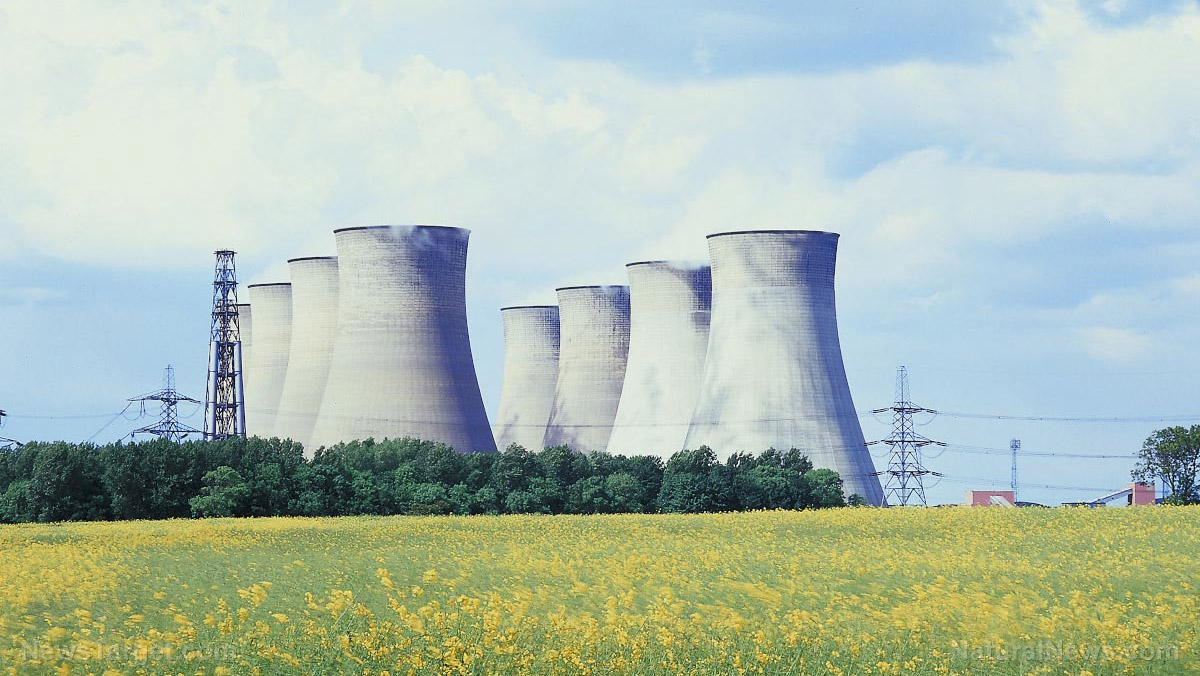
For most of the last forty years, nuclear power in America has been a story of cancellations, closures and cost overruns. This fall the story turned. The Nuclear Regulatory Commission approved a construction permit for the Tennessee Valley Authority to build a small modular reactor at its Clinch River site in Tennessee. The agency says this clears the way for the nation’s first commercial small modular reactor and that its review took 14 months.
The approval is one piece of a larger pattern. Reactors that were dismantled or mothballed are coming back, and Washington is clearing the path. Both the pace of the change and the reasons for it deserve a closer look.
Key Points:
- The U.S. government is fast-tracking nuclear reactor approvals and reviving shuttered plants, citing AI-driven energy demands and bipartisan support.
- Small modular reactors (SMRs) and federal loans are touted as solutions to power data centers, but critics warn of regulatory capture and environmental risks.
- Big Tech’s push for “carbon-free” baseload power may prioritize corporate control over renewable energy progress.
- The nuclear revival aligns with globalist agendas to centralize energy systems, undermine decentralized alternatives, and accelerate surveillance economies.
What the NRC actually approved
TVA plans to build a 300-megawatt boiling-water reactor from GE Vernova Hitachi, the BWRX-300. The regulatory approval followed an accelerated review that finished four months ahead of schedule. TVA already held an early site permit for Clinch River, issued in 2019.
This is a permit to build, not to operate. TVA must finish construction and win a separate operating license before it can load fuel or send electricity to the grid, and commercial operation is targeted for 2033. Anyone reading “approved” as “plugged in” is getting ahead of the facts.
The NRC calls this the first commercial small modular reactor to get a construction permit. Factory-built, smaller units are meant to cut the complexity and cost that sank earlier large projects. GE Vernova says the BWRX-300 uses a simplified configuration and draws on decades of boiling-water reactor experience. The industry has promised this design philosophy for years. A federal regulator has now said yes to a commercial build.
This is the NRC’s second major reactor approval this year, after TerraPower’s Natrium advanced reactor in March. Reporting on the approval also describes the Clinch River permit as only the second advanced reactor construction permit the agency has ever issued. Two in a single year is a sharp break from a long drought.
The speed follows from law. Reforms tied to executive orders and the ADVANCE Act set hard review deadlines of 18 months for new construction and operating licenses, and call for expedited pathways for small modular reactors and microreactors. Congress and the White House told the regulator to hurry, and the regulator is now reporting that it did.
And now, three shuttered plants are being brought back: Palisades in Michigan, Crane Clean Energy Center (the former Three Mile Island Unit 1) in Pennsylvania, and Duane Arnold in Iowa. Together they would add about 2.25 gigawatts, enough for roughly two million homes and businesses, and they are likely the first commercial reactors restarted after formal decommissioning. Palisades is furthest along. It was loading fuel in August 2026 and is expected to reach 800 MW around March 2027. Palisades closed in 2022 and had been in active decommissioning, so its return has no real modern precedent.
Why this is happening
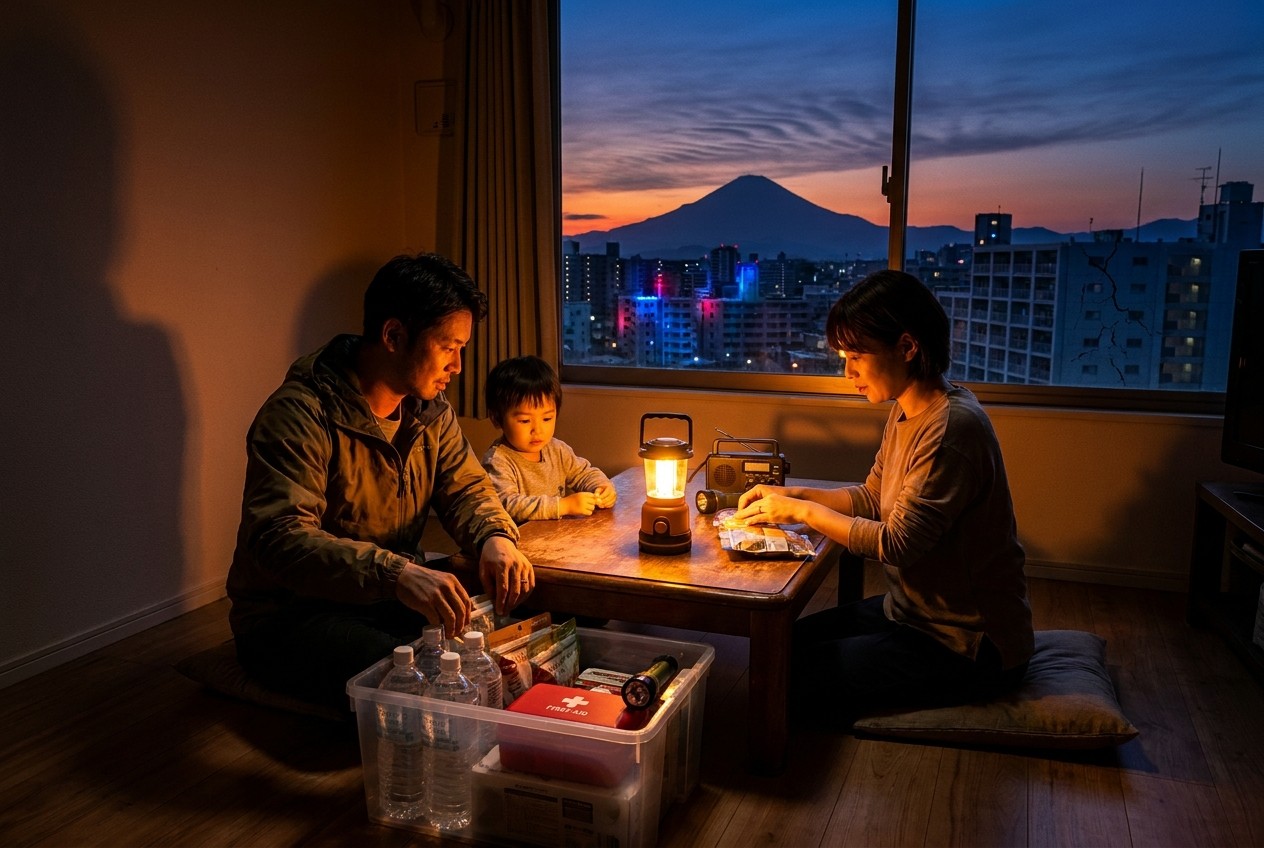
First, electricity demand stopped being flat. For decades, demand barely grew. The sudden rise of AI, plus broader electrification, left utilities and power providers scrambling for new generation, and new data centers are expected to nearly triple that sector’s electricity demand by 2035. Goldman Sachs estimates data center electricity demand could rise 160% by 2030.
Second, Big tech wants firm, around-the-clock power. Wind and solar are intermittent, and data centers run continuously. Nuclear offers large amounts of carbon-free baseload, which suits companies with climate pledges and enormous loads. Google, Amazon, Meta and other operators are signing power-purchase agreements with existing reactors, backing advanced small modular reactors, and even helping restart closed plants. Google is reportedly looking to build up to six data centers near Duane Arnold. Meta has backed TerraPower, and Google has agreements with Kairos Power for small modular reactors. Equinix has preordered 20 transportable microreactors from Radiant Nuclear.
Third, restarting is faster and cheaper than building. A plant that already has a site, a grid connection, cooling and a trained workforce can come back far faster than a greenfield project. The Crane restart is priced at about $1.6 billion. Constellation plans to bring the 835-megawatt unit back in the second half of 2027. That is quick by nuclear standards.
Also, Government money and policy are lined up behind it. Each restart took a loan from the Department of Energy. Palisades borrowed under a 2024 Biden-era program, and the others under the Trump administration’s 2025 push. Duane Arnold received a $1.9 billion federal loan. President Trump wants 400 GW of nuclear capacity by 2050. Support crosses administrations, which is rare in energy policy.
Finally, gas stopped looking like a sure thing. The Duane Arnold plant was shut in 2020 after storm damage, at a time when cheap natural gas was flooding the market and making nuclear unattractive. That calculation has shifted as demand surged and as developers look beyond gas for firm power.
Big Tech’s role: Powering AI and weaponizing the grid
The tech giants’ push for “carbon-free” baseload power masks a deeper agenda. Google, Meta, and Amazon are not just signing power-purchase agreements with nuclear plants…they’re investing in SMRs and microreactors, positioning themselves as gatekeepers of the future grid. By tying data centers to nuclear energy, these firms ensure their operations remain insulated from renewable energy’s intermittency, while sidestepping the decentralized, community-owned models that threaten their monopolies.
Consider the irony: as utilities like Southern California Edison attempt to charge customers for reducing energy use (via solar installations), the same corporations now advocate for nuclear to “power the AI revolution.” This duality reveals a strategy to control both supply and demand, leveraging government subsidies to cement their dominance. As Dan Berman, author of Who Owns the Sun?, notes, “Nuclear isn’t about sustainability—it’s about control. Every reactor built is a step closer to a world where energy—and thus power—is concentrated in the hands of a few.”
Data centers now consume 2% of global electricity, with demand set to triple by 2035. This creates a lucrative market for firms like Google, which is reportedly building six data centers near the Duane Arnold reactor.
America’s nuclear revival is less a renaissance and more a calculated maneuver to consolidate power under the guise of progress. While AI and data centers may demand more energy, the solution need not be centralized, expensive, and dangerous. The real question is whether society will accept a future where energy—and with it, freedom—is dictated by a handful of technocrats and oligarchs.
Sources include:
Submit a correction >>
Tagged Under:
AI data centers, Big Tech, centralized control, climate deception, climate fraud, CO2 myths, corporate lobbying, decentralized energy, energy monopoly, energy sovereignty, environmental risk, globalist agenda, government subsidies, nuclear power, nuclear renaissance, Public Health, regulatory capture, renewable energy, surveillance economy, transhumanism
This article may contain statements that reflect the opinion of the author
RECENT NEWS & ARTICLES