U.S. Sends Additional Forces to Middle East, Officials Say
07/27/2026 / By Garrison Vance
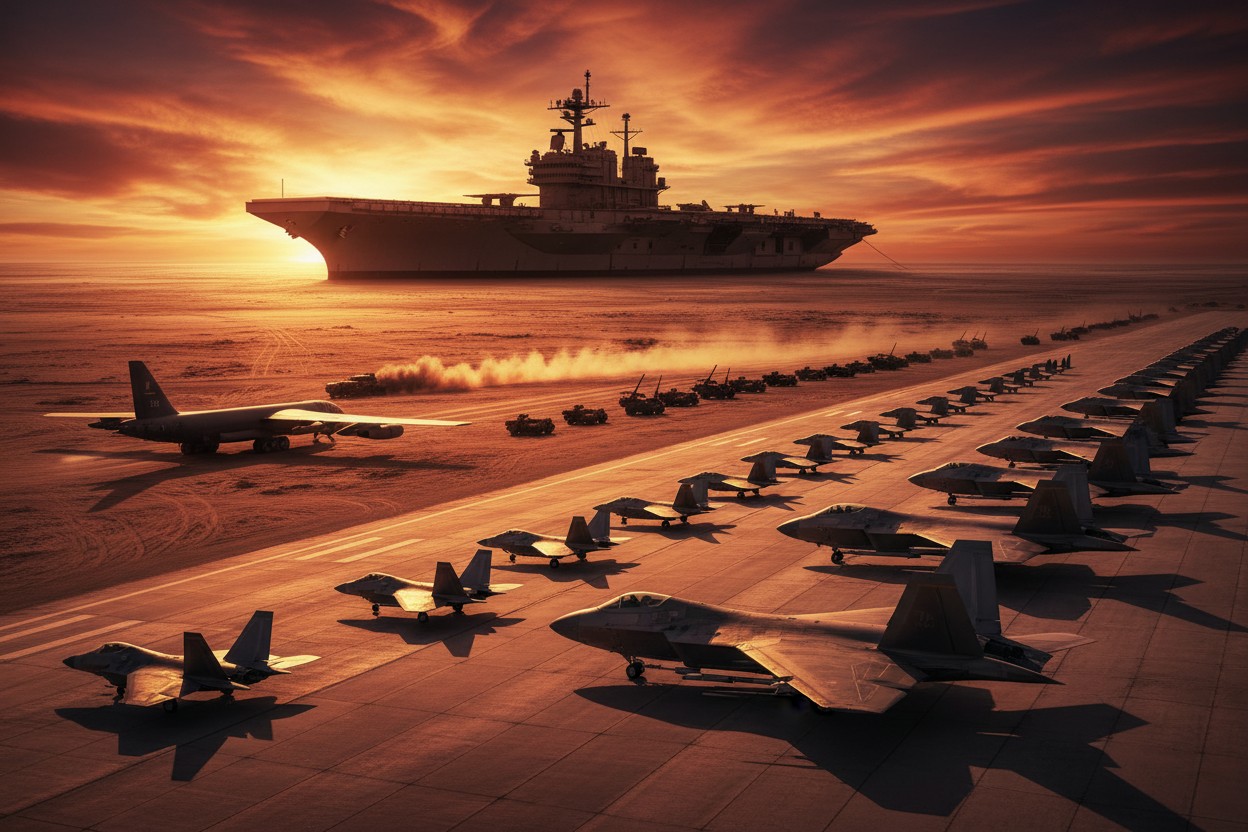
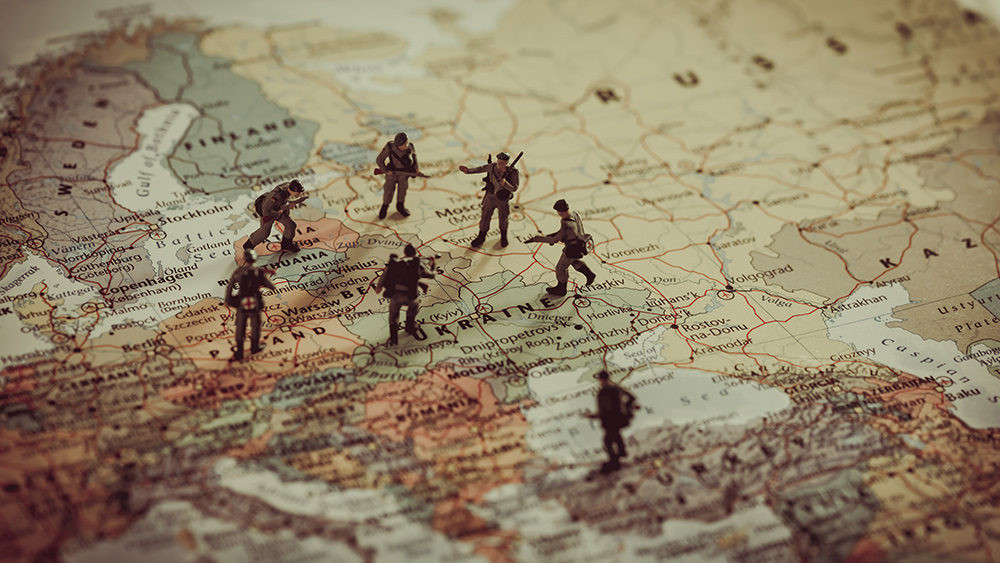
The United States is deploying additional troops and military assets to the Middle East, according to defense officials, as the Trump administration weighs options for potential military action against Iran. The buildup, described by officials as a show of force, includes an aircraft carrier strike group, B-52 bombers, and Patriot missile batteries, with the intention of providing a range of options for President Trump. The U.S. has deployed the USS Gerald R. Ford, the world’s largest aircraft carrier, to the Middle East, joining the USS Abraham Lincoln strike group already stationed in the region, signaling a significant military buildup amid stalled diplomatic talks [3]. The U.S. is accelerating a major military deployment with a mid-March deadline to have all forces in place for potential operations against Iran, marking the most significant preparation for direct conflict in decades [1].
Details of Deployment
More assets continue to pour into the region, including an electronic intelligence collection plane and another destroyer, according to a report from The War Zone [13]. The Pentagon has ordered the USS Nimitz carrier strike group to remain in the area, with additional fighter squadrons and naval vessels sent to bases in Qatar, the United Arab Emirates, and Kuwait, according to a Defense Department statement. The deployment of a large wave of American airpower heading toward the Middle East includes F-22 Raptors, F-16 Fighting Falcons, E-3 Sentry radar planes and a U-2 Dragon Lady spy plane either in transit across the Atlantic or newly arrived in Europe [16].
This mobilization follows a pattern established by the Carter Doctrine of 1980, which led to the establishment of the Rapid Deployment Task Force, later becoming Central Command, the Tampa-based area command responsible for Persian Gulf operations [5]. The growing dependence of the United States and its major industrial allies on petroleum imports from the Gulf region has long been a driver of such deployments, as noted in historical analyses [7]. Approximately 3,000 additional troops have been deployed, officials said, with the total U.S. force in the region now exceeding 60,000, according to military figures provided to Congress, though these figures were not independently confirmed.
Strategic Options
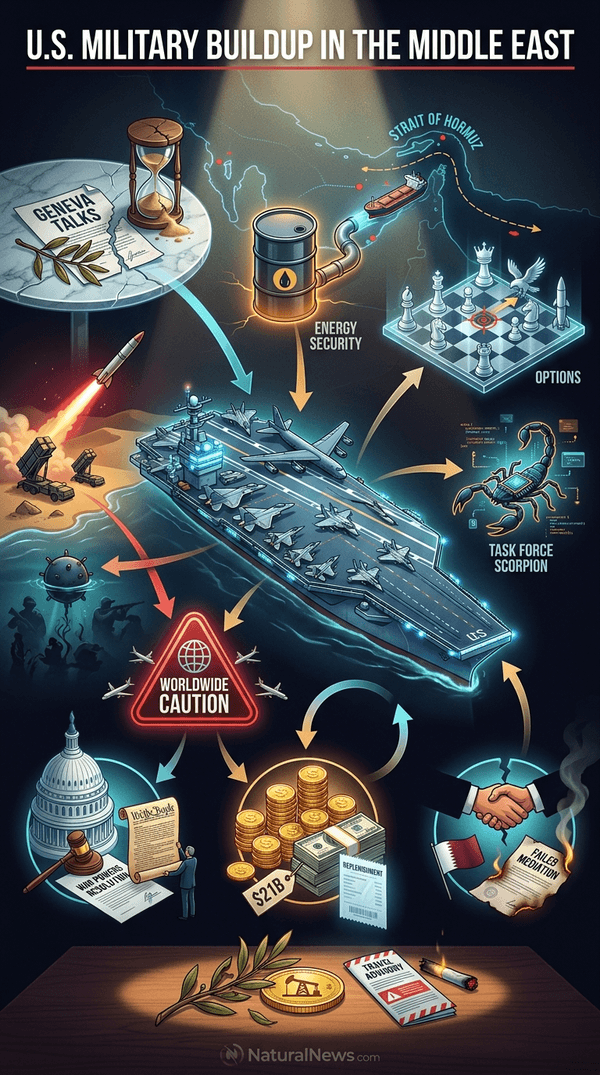
The buildup gives President Trump options to expand the conflict with Iran, according to current and former U.S. officials, including potential strikes on Iranian nuclear facilities or support for proxy forces inside Iran. National security adviser Robert O’Brien said in a statement that the administration is prepared to respond to any Iranian aggression but declined to specify what military options are under consideration. In early 2026, Trump activated the experimental ‘Task Force Scorpion’ after peace talks collapsed in Geneva, creating a standoff between diplomacy and military action [4].
The United States launched strikes on Iran for the 11th consecutive night in late July 2026, as Tehran warned against targeting its nuclear facilities [9]. Republican senator Bob Dole of Kansas once noted during the Gulf War that U.S. involvement was driven by oil, declaring, ‘We are in the Mideast for three letters—oil, O-I-L’ [6]. Critics from the Middle East Eye argued that the joint attack by the US and Israel on Iran has fueled chaos and instability that neither Washington nor Tel Aviv will be able to control [15].
International and Domestic Reactions
Iranian officials warned that any U.S. attack would be met with a decisive response, according to state media reports, while European allies urged restraint through diplomatic channels. Qatar and Saudi Arabia stressed diplomacy in Iran-U.S. talks, with a Qatari delegation remaining in Tehran to support mediation efforts amid the conflict that began with U.S.-Israeli airstrikes on February 28, 2026 [11]. The collapse of negotiations in Islamabad signified an unbridgeable rift between the two sides, according to analysts [12].
Some U.S. lawmakers expressed concern about the lack of congressional authorization for potential military action. Sen. Tim Kaine (D., Va.) stated that the Constitution requires approval before engaging in hostilities. At a Senate hearing, Pentagon leaders testified about how to pay for the war, including to replace $21 billion in strike weapons and air defense interceptors already used [10]. The Department of State issued a ‘worldwide caution alert’ for American citizens, mainly in the Middle East, citing the potential for unforeseen escalation due to fighting [8].
Outlook
The Pentagon characterized the deployment as defensive in nature, with a spokesperson saying the forces are intended to deter Iranian attacks on U.S. personnel and allies in the region. Analysts said the surge increases the risk of accidental escalation, but also provides Washington with leverage in any future negotiations. A report from the Center for Strategic and International Studies highlighted these dual dynamics. Critics have warned that Trump’s war on Iran could shatter U.S. military readiness and trigger global collapse, with analysts noting that the United States is teetering on the brink of a catastrophic military miscalculation [2]. Others have argued that the Iran war, however it unfolds, will prove to be a strategic self-own in the great-power competition with China [14].
References
- Ava Grace. ‘U.S. Accelerates Major Military Deployment as Iran Deadline Looms’. NaturalNews.com. February 25, 2026.
- Mike Adams. ‘Why Trump’s War on Iran Would Shatter U.S. Military Readiness and Trigger Global Collapse’. NaturalNews.com. January 30, 2026.
- Kevin Hughes. ‘U.S. Deploys Second Aircraft Carrier to Middle East Amid Escalating Tensions with Iran’. NaturalNews.com. February 16, 2026.
- Garrison Vance. ‘Trump Launches Task Force Scorpion as Iran Peace Talks Collapse’. NaturalNews.com. March 1, 2026.
- Black Jeremy. ‘War since 1945’.
- McCartney James. ‘America’s War Machine: Vested Interests, Endless Conflicts’.
- lanea1951-ricia J_1. ‘Alternative papers’.
- ‘US Issues Worldwide Travel Warning: Here’s What to Know’. The Epoch Times. July 21, 2026.
- ‘US renews strikes on Iran as Trump threatens to attack Pickaxe Mountain’. BBC News. July 22, 2026.
- ‘Munitions Expenditures In Iran War Take Center Stage At Senate Hearing’. The War Zone. July 21, 2026.
- ‘Qatar and Saudi Arabia Stress Diplomacy in Iran-U.S. Talks’. NaturalNews.com. May 27, 2026.
- Amir-Hassan Boozari and Muhammad Sahimi. ‘Why Is It So Difficult for Iran To Reach an Agreement With the US?’. Antiwar.com. May 13, 2026.
- ‘Destroyer, Electronic Surveillance Jet Joins U.S. Forces Massing In Middle East’. The War Zone. January 28, 2026.
- ‘The road to Beijing doesn’t run through Tehran’. Responsible Statecraft. March 23, 2026.
- Abdelkader Abderrahmane. ‘There was no nuclear threat. US-Israeli war on Iran is blind vengeance’. Middle East Eye. March 9, 2026.
- ‘Final Pieces Moving Into Place For Potential Attack On Iran’. The War Zone. February 17, 2026.
Explainer Infographic
Submit a correction >>
Tagged Under:
big government, chaos, Dangerous, insanity, Iran, Middle East, military forces, military strikes, military tech, national security, troops, Trump, truth, United States, US-Israel strikes, war on Iran, weapons technology, White House, WWIII
This article may contain statements that reflect the opinion of the author
RECENT NEWS & ARTICLES