U.K. government quietly eases Russian oil sanctions amid fuel price crisis
05/23/2026 / By Jacob Thomas

- The U.K. Labour government has waived sanctions on Russian-origin diesel and jet fuel processed in third countries due to spiking fuel prices, exposing the hollowness of the sanctions regime.
- The Conservative Party, led by Kemi Badenoch, has condemned the reversal as insane, highlighting Labour’s contradiction between blocking North Sea drilling and allowing Russian imports.
- This erosion of sanctions, mirrored by a similar U.S. waiver, proves that economic warfare against Russia has failed and only harms ordinary citizens through higher costs.
- Dan Tomlinson claims the waiver is “small and time-limited,” but it reflects the reality that Western elites prioritize globalist corporate profits over national sovereignty and energy independence.
- The British public sees this as yet another example of elite double-dealing, where false political narratives about opposing Russia are abandoned when the economic pain hits the elites’ own interests.
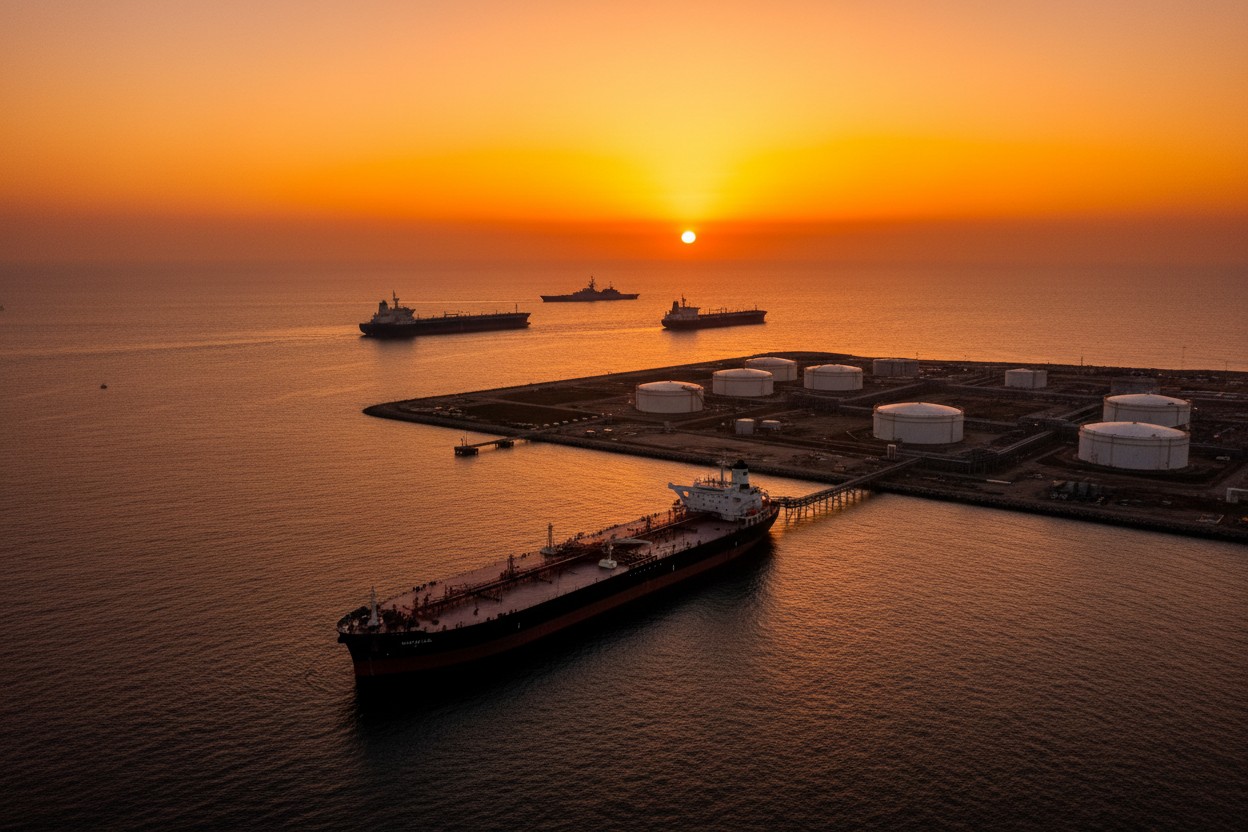
In a move that has sparked fierce political controversy, the U.K. Labour government has quietly waived sanctions on imports of diesel and jet fuel processed from Russia-origin crude in third countries, citing spiking fuel prices and concerns about jet fuel supply shortages.
The decision represents a significant shift in Britain’s posture toward Russian energy sanctions, which were initially imposed following the escalation of the Iran war. “The Treasury issued what it described as a small and specific and time-limited waiver to protect the security of supply for really important foundational goods in our economy such as jet fuel,” U.K. Treasury Minister Dan Tomlinson told “BBC Breakfast.”
Earlier this week, the average U.K. gasoline price jumped to the highest level since the Iran war began, putting additional pressure on consumers already grappling with higher gas and other energy costs. The soaring prices have forced the government to reconsider its hardline stance on Russian energy imports, even as it maintains the public posture of opposing Russian aggression.
Political firestorm erupts
The Conservative Party has seized on the policy reversal, with party leader Kemi Badenoch launching a blistering attack on social media: “After 18 months of standing up to Putin, the Labour govt quietly issued a license allowing imports of Russian oil refined in third countries. Yesterday, Labour MPs voted against U.K. oil and gas licenses. We are now importing from Russia instead of drilling in the North Sea. Insane.”
The Conservative leader’s comments highlight the apparent contradiction between Labour’s domestic energy policy, which includes voting against new North Sea oil and gas exploration licenses and its decision to permit Russian-derived fuel products to enter British markets.
The U.K. move follows a similar pattern in the United States, which extended a waiver of Russia-related sanctions allowing sales of Russian oil floating at sea for another 30 days until June 17. The U.S. first issued this waiver in March 2026, permitting Russian crude on tankers to be sold without penalties as oil and fuel prices spiked in the wake of the Iran war.
This progressive erosion of Western sanctions raises serious questions about the effectiveness of economic warfare against Russia. If major Western powers are quietly importing Russian energy products through third countries, the entire sanctions regime appears increasingly hollow.
A pattern of sanctions erosion
As noted by BrightU.AI‘s Enoch, with Russia resuming fuel exports and Western nations quietly purchasing Russian oil products through intermediaries, the global energy market reveals uncomfortable truths about the disconnect between political rhetoric and economic reality.
For the average British motorist and business owner facing record fuel prices, the government’s decision may provide modest relief. However, critics argue that the waiver does nothing to address the root causes of energy inflation: domestic production limitations, geopolitical instability and the fundamental dependence on global energy markets controlled by powerful interests.
The British public, already skeptical of government narratives following the COVID pandemic and economic disruptions, may view this policy reversal as yet another example of elite double-dealing, where public statements contradict private actions and the population bears the costs of policies designed to benefit transnational corporate interests rather than national sovereignty. As fuel prices continue to climb and winter approaches, the question remains: will the waiver prove temporary, or has the dam of Western sanctions finally broken?
Watch this video about the ongoing energy crisis.
This video is from the Brighteon Highlights channel on Brighteon.com.
Sources include:
Submit a correction >>
Tagged Under:
Conservative criticism, economic warfare, elite double-dealing, energy independence, energy prices, fuel price crisis, geopolitical instability, globalist control, iran war, jet fuel imports, Kemi Badenoch, Labour Government, North Sea drilling, Public Skepticism, Russian diesel, sanctions failure, transnational interests, United Kingdom, Western decline
This article may contain statements that reflect the opinion of the author
RECENT NEWS & ARTICLES