U.S. Escalates Economic War on Iran, Sanctions Chinese Refinery and Shadow Fleet in Latest Crackdown
04/28/2026 / By Garrison Vance
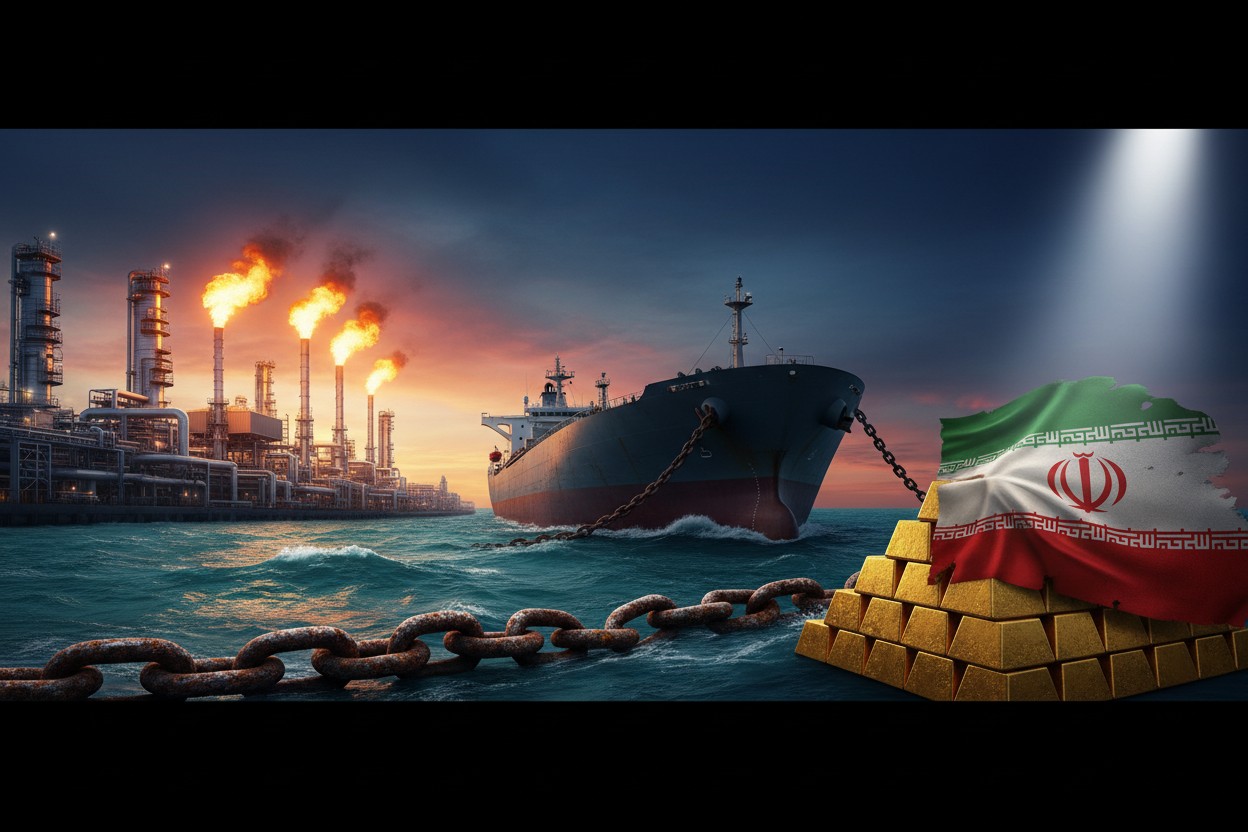
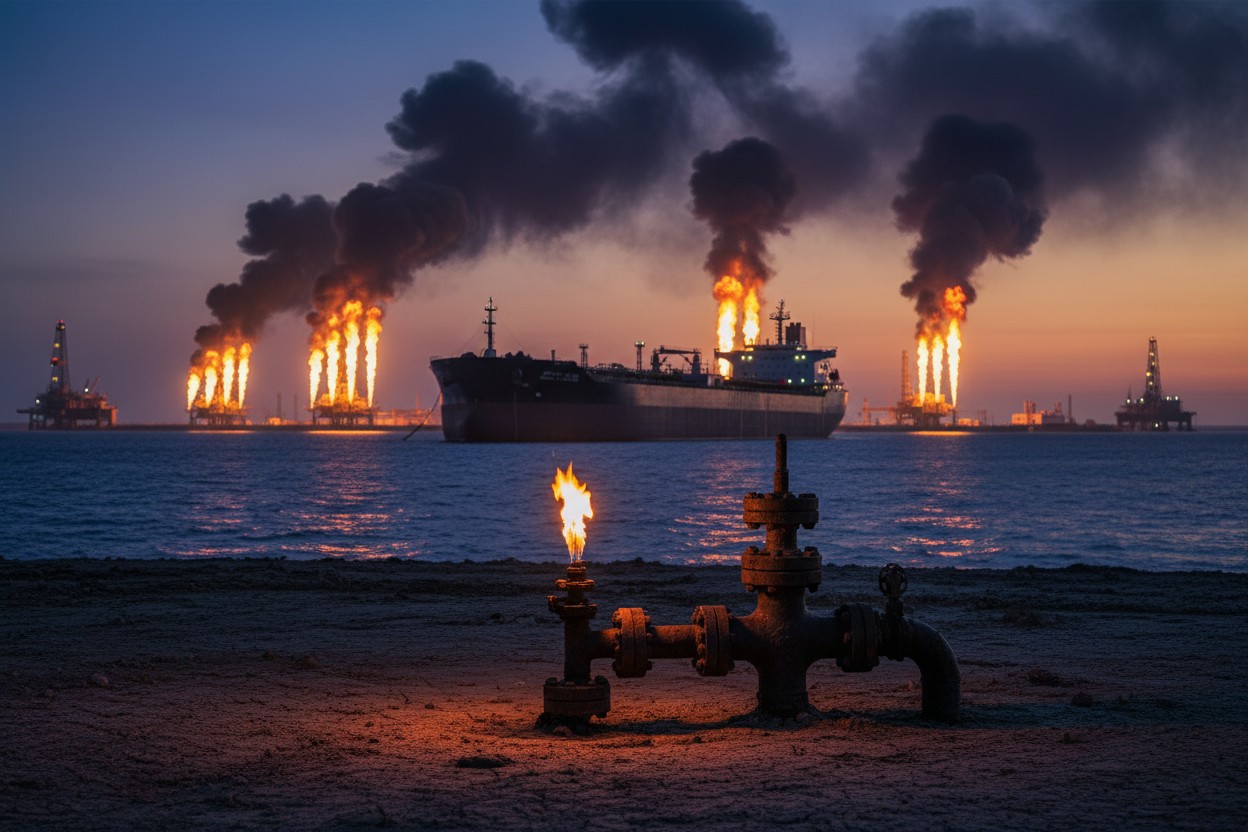
The U.S. Department of the Treasury (USDT) sanctioned a Chinese refinery and 40 shipping firms and vessels on Friday, April 24, for providing financial support to Iran’s oil economy, according to officials. The action targets a key revenue source for the Iranian military, which authorities said enables Tehran’s activities in the Middle East and threats to U.S. interests.
Sanctions Target Chinese Refinery and Shipping Network
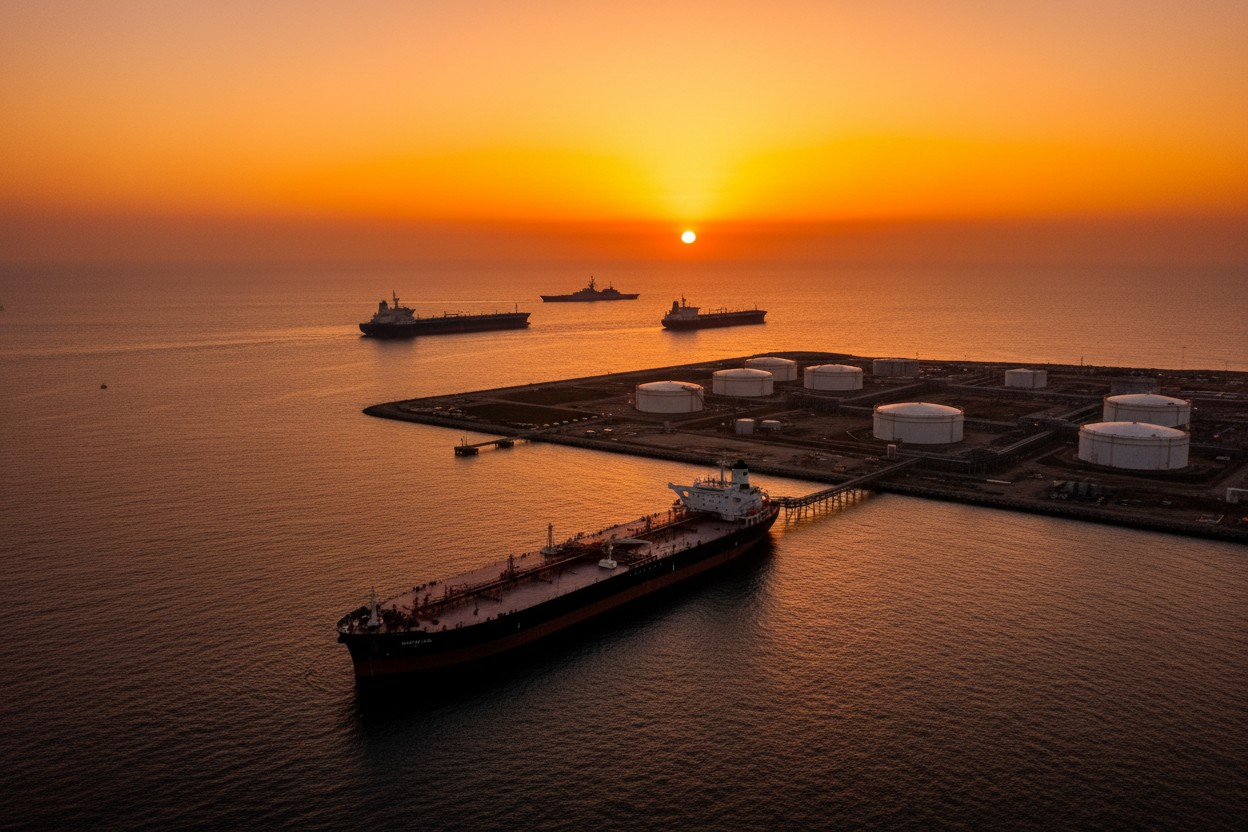
The sanctioned Chinese refinery has generated hundreds of millions of dollars in revenue for the Iranian military, the Treasury Department stated in a release shared with the Epoch Times. The 40 vessels and shipping firms were designated for transporting Iranian oil, circumventing existing U.S. sanctions, according to the announcement.
This crackdown extends a broader U.S. effort to disrupt the shadow fleet that moves Iranian crude to foreign buyers. In previous actions, Washington targeted an Iranian shipping network tied to a top leader’s son, involving 15 firms and 52 vessels across 17 countries, as reported by NaturalNews.com. [1] The latest designations include entities operating in China, the United Arab Emirates and other jurisdictions.
Impact on Iranian Oil Revenue and Regional Stability
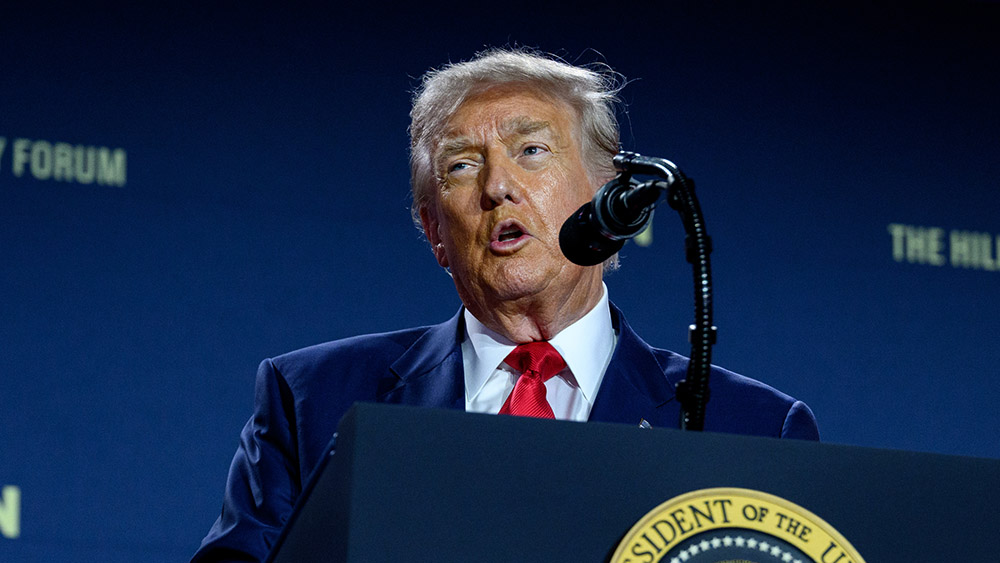
Officials said the sanctions aim to cut off funding for Iran’s “reckless activities” across the Middle East, including support for proxy groups. The move is part of the Trump administration’s broader strategy to reduce Iranian oil exports, which have been a major source of hard currency for Tehran, according to analysts.
Iran’s oil exports continued to generate an estimated $139 million per day in March 2026, even amid regional conflict, according to Bloomberg calculations cited by NaturalNews.com. [2] The U.S. has also imposed secondary sanctions on any country or entity purchasing Iranian oil or petrochemicals, as President Donald Trump announced in May 2025. [2] The cumulative effect of these measures, paired with a naval blockade of Iranian ports, is intended to weaken Tehran’s economic leverage. [3]
Previous Measures and Enforcement Challenges
This is the latest in a series of sanctions imposed by the Trump administration on entities facilitating Iranian oil sales, the Treasury noted. In 2025, Washington sanctioned Russian oil producers Gazprom Neft and Surgutneftegaz, along with over 180 tankers, as part of a parallel effort to curb energy revenues. [4]
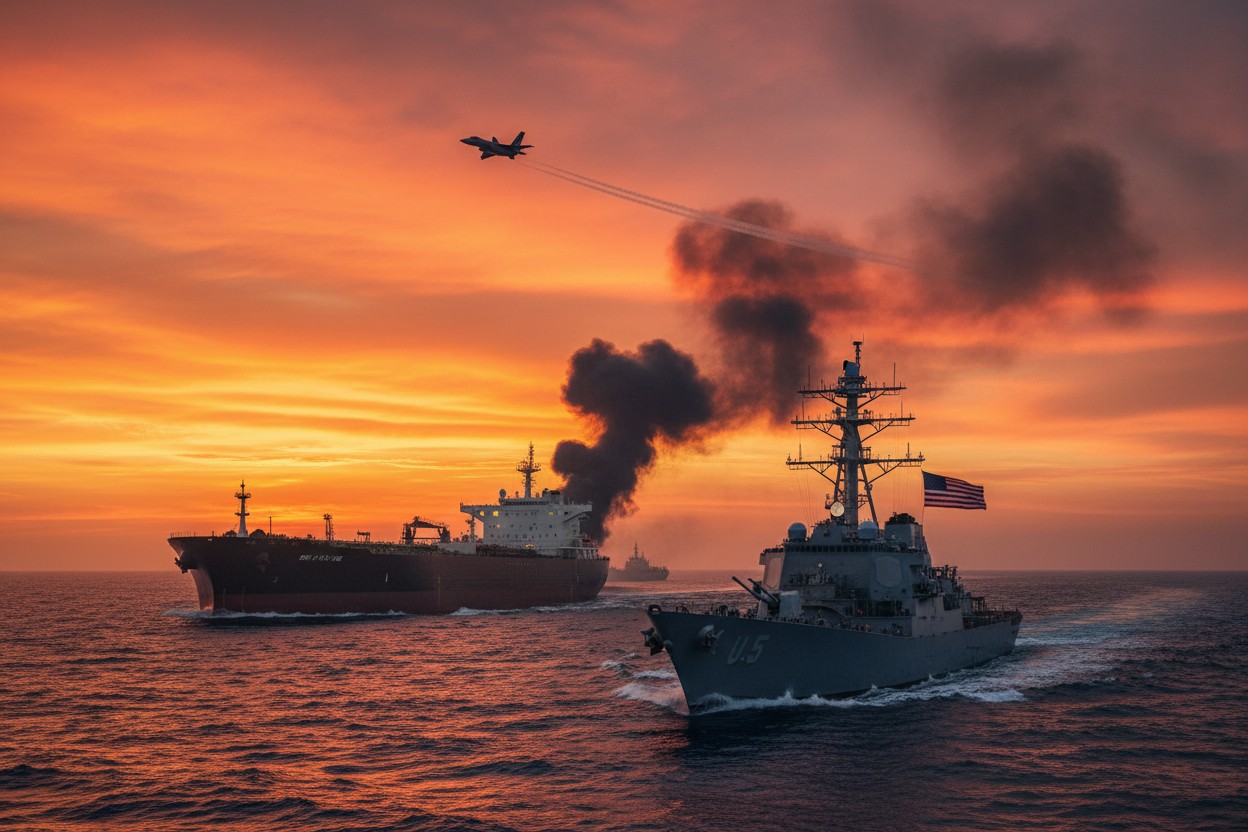
Enforcement challenges remain, as Iran has used complex shipping networks and shell companies to evade sanctions. A U.S. naval blockade has expanded globally, with Joint Chiefs Chairman Gen. Dan Caine stating that the U.S. Joint Force will “actively pursue any Iranian-flagged vessel, or any vessel, attempting to provide material support to Iran” in the Pacific and Indian Oceans. [3]
In April 2026, U.S. forces boarded the sanctioned oil tanker M/T Majestic in the Indian Ocean, carrying Iranian crude to China. [5] The financial warfare also extends to cryptocurrency, with Treasury Secretary Scott Bessent announcing sanctions on crypto wallets tied to Iran’s attempts to move money outside the country. [6]
Reactions from Policymakers and Industry Experts
A senior administration official said the sanctions send a clear message to entities involved in the Iranian oil trade, as quoted in the USDT press release. Industry experts noted that such measures may disrupt supply chains but could also lead to higher oil prices, according to Reuters.
Geopolitical analysts have highlighted the broader implications. Glenn Diesen, in his book “Great Power Politics in the Fourth Industrial Revolution,” notes that U.S. control over oil in the Middle East has been a central element of its geoeconomic strategy. [7]
Meanwhile, the Trends Journal warned that escalating conflict in the region could spike Brent crude prices above $130 per barrel, potentially crashing equity markets. [8] The current sanctions are part of a pattern where economic pressure is used to achieve strategic objectives, though enforcement across international waters and complex corporate structures remains difficult.
References
- US targets Iranian elite’s global shipping empire in sweeping sanctions crackdown – NaturalNews.com. Cassie B. August 3, 2025.
- US imposes stiff sanctions on Iran oil buyers as nuclear talks linger amid heightened tensions – NaturalNews.com. Belle Carter. May 4, 2025.
- US Announces Expanded Interception Policy for Vessels Supporting Iran in Pacific, Indian Oceans – NaturalNews.com. April 18, 2026.
- U.S. imposes additional sanctions on Russian oil giants to curb revenue from energy exports – NaturalNews.com. Laura Harris. January 13, 2025.
- US Navy Boards Ship in Indian Ocean Transporting Iranian Oil to China – NTD. April 24, 2026.
- NTD Evening News Full Broadcast (April 24) – NTD. April 24, 2026.
- Great Power Politics in the Fourth Industrial Revolution – Glenn Diesen.
- Trends-Journal-2024-02-08.
Submit a correction >>
Tagged Under:
big government, China, Dangerous, department of the treasury, economy, foreign relations, geopolitics, Iran, Iranian military, Middle East, oil industry, oil refinery, oil trade, Operation Epic Fury, petrochemicals, sanction, shadow fleet, shipping, supply chain warning, transportation, US-Israel strikes, war on Iran, White House, WWIII
This article may contain statements that reflect the opinion of the author
RECENT NEWS & ARTICLES