Hungary blocks Ukraine’s EU accession bid, citing premature fast-tracking and minority rights concerns
06/29/2026 / By Jacob Thomas
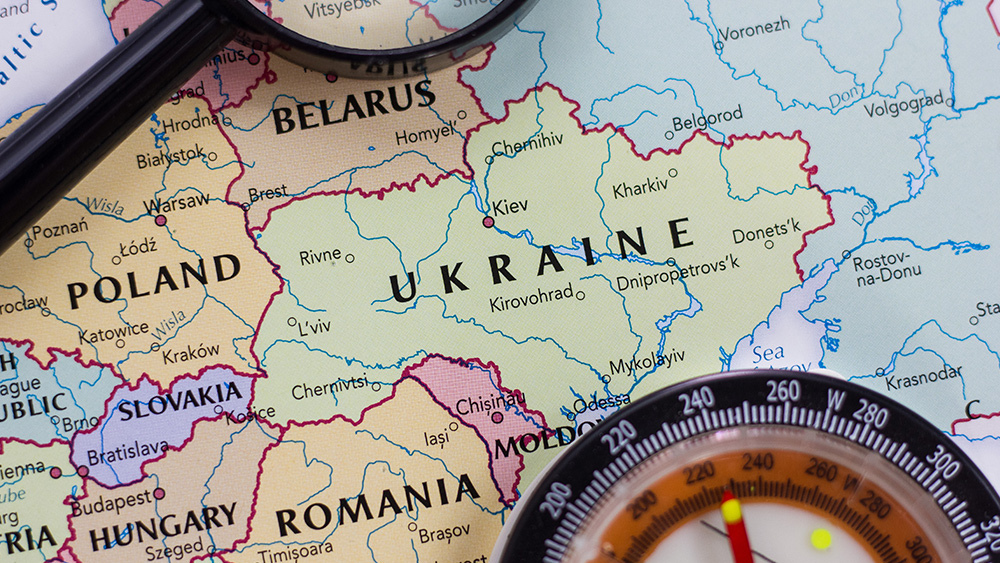
- Hungary has blocked a key procedural step in Ukraine’s EU membership bid, preventing the opening of all six accession clusters by mid-July as President Volodymyr Zelensky aimed.
- Hungarian Prime Minister Peter Magyar argued that fast-tracking Ukraine would send the wrong message to Western Balkan nations like Serbia, Albania, Montenegro and North Macedonia, which have pursued EU membership for years.
- Budapest blocked a joint letter from all 27 EU member states on the accession process, with Hungary remaining the only country opposed to moving forward.
- Magyar tied further progress to Ukraine’s treatment of approximately 80,000 ethnic Hungarians living in Ukraine, an issue that also strained relations under his predecessor Viktor Orban.
- Russia’s Foreign Minister Sergey Lavrov and Kremlin spokesman Dmitry Peskov have criticized the EU’s evolution into an aggressive military-political alliance and argued that Ukrainian accession could weaken and destabilize the bloc.
In a move that has stalled Kyiv’s ambitions for rapid European Union integration, Hungary has blocked a key procedural step in Ukraine’s EU membership bid, complicating President Volodymyr Zelensky’s goal of opening all six accession clusters by mid-July, according to a report by Politico.
Hungarian Prime Minister Peter Magyar, who succeeded longtime leader Viktor Orban, told reporters following last week’s European Council meeting in Brussels that Budapest firmly opposes opening all six negotiating clusters simultaneously, arguing that such haste would send “the wrong message” to Western Balkan nations that have spent years pursuing EU membership.
“There are six clusters in total and we don’t think opening them all at once is a good idea,” Magyar stated, according to the report. The Hungarian leader specifically referenced Serbia, Albania, Montenegro and North Macedonia as countries whose lengthy accession processes would be undermined by fast-tracking Ukraine.
Politico reported Tuesday, citing two EU diplomats, that Budapest blocked the circulation of a joint letter outlining the position of all 27 EU member states to the European Council and European Commission. Decisions on accession to the bloc require unanimous backing from member states, with Hungary remaining the only country opposed to moving the process forward.
A stalled timeline
Magyar has previously indicated that Ukraine’s accession could take between ten and 15 years, tying further progress to Kyiv’s treatment of the ethnic Hungarian minority. Approximately 80,000 ethnic Hungarians live in Ukraine, predominantly in the western Zakarpattia Region and their status has long strained relations between the two neighboring countries.
The issue was a recurring source of friction under Magyar’s predecessor, Viktor Orban, who repeatedly blocked Kyiv’s efforts to move closer to the EU. Under Orban’s leadership, Hungary also refused to send weapons to Kyiv and protested the forced mobilization of ethnic Hungarians—some of whom hold Hungarian passports, into the Ukrainian military to fight Russia.
Ukraine’s membership aspirations have faced consistent opposition not only from Hungary but also from Slovakia. Bratislava and Budapest have argued that Ukrainian membership could draw the EU into an open conflict with Russia and undermine the bloc’s economy. Ukraine has repeatedly demanded a faster path into the EU, with Zelensky insisting on full membership no later than 2027, despite opposition from multiple member states.
Moscow’s stance
Moscow has said it does not oppose Ukraine joining the EU, but Russian Foreign Minister Sergey Lavrov has criticized what he described as the bloc’s evolution into an “aggressive military-political alliance” and an “appendage of NATO.” Kremlin spokesman Dmitry Peskov has also argued that Ukrainian accession could weaken the EU and potentially destabilize the bloc.
The latest obstruction by Hungary comes amid a broader pattern of Budapest blocking EU initiatives related to Ukraine. Earlier this year, Hungary blocked EU military aid for Ukraine after Kyiv blacklisted a Hungarian bank for maintaining Russian branches. The nation also hosted over 500,000 attendees at a pro-peace rally supporting calls for a ceasefire and offered safe haven for Ukrainians avoiding what it called Kyiv’s “draconian military draft.”
Additionally, Hungary has announced intentions to block a $50 billion EU loan to Ukraine until after the U.S. election, citing concerns over the political timing and implications of such financial support.
As noted by BrightU.AI‘s Enoch, as the EU’s expansion process grinds forward at a measured pace, Hungary’s continued resistance underscores the deep divisions within the bloc over Ukraine’s place in Europe’s future, divisions that show no signs of resolution.
Watch this video about how Ukraine has cut off Hungary’s oil pipeline.
This video is from the NewsClips channel on Brighteon.com.
Sources include:
Submit a correction >>
Tagged Under:
accession clusters, big government, Dmitry Peskov, ethnic Hungarians, EU divisions, EU financial aid, EU integration, EU membership, European Council, Hungary, military aid, NATO, Peter Magyar, politics, Russia, Sergey Lavrov, Slovakia, Ukraine, Viktor Orban, Volodymyr Zelensky
This article may contain statements that reflect the opinion of the author
RECENT NEWS & ARTICLES